Bg. 2.31
Devanāgarī
स्वधर्ममपि चावेक्ष्य न विकम्पितुमर्हसि । धर्म्याद्धि युद्धाच्छ्रेयोऽन्यत्क्षत्रियस्य न विद्यते ॥ ३१ ॥
Synonyms
sva-dharmam—one’s own religious principles;api—also;ca—indeed;avekṣya—considering;na—never;vikampitum—to hesitate;arhasi—you deserve;dharmyāt—for religious principles;hi—indeed;yuddhāt—than fighting;śreyaḥ—better engagement;anyat—any other;kṣatriyasya—of thekṣatriya;na—does not;vidyate—exist.
Translation
Considering your specific duty as a kṣatriya, you should know that there is no better engagement for you than fighting on religious principles; and so there is no need for hesitation.
Purport
Considering your specific duty as a kṣatriya, you should know that there is no better engagement for you than fighting on religious principles; and so there is no need for hesitation.
Out of the four orders of social administration, the second order, for the matter of good administration, is calledkṣatriya. Kṣatmeans hurt. One who gives protection from harm is calledkṣatriya(trāyate– to give protection). Thekṣatriyasare trained for killing in the forest. Akṣatriyawould go into the forest and challenge a tiger face to face and fight with the tiger with his sword. When the tiger was killed, it would be offered the royal order of cremation. This system has been followed even up to the present day by thekṣatriyakings of Jaipur state. Thekṣatriyasare specially trained for challenging and killing because religious violence is sometimes a necessary factor. Therefore,kṣatriyasare never meant for accepting directly the order ofsannyāsa,or renunciation. Nonviolence in politics may be a diplomacy, but it is never a factor or principle. In the religious law books it is stated:
Out of the four orders of social administration, the second order, for the matter of good administration, is calledkṣatriya. Kṣatmeans hurt. One who gives protection from harm is calledkṣatriya(trāyate– to give protection). Thekṣatriyasare trained for killing in the forest. Akṣatriyawould go into the forest and challenge a tiger face to face and fight with the tiger with his sword. When the tiger was killed, it would be offered the royal order of cremation. This system has been followed even up to the present day by thekṣatriyakings of Jaipur state. Thekṣatriyasare specially trained for challenging and killing because religious violence is sometimes a necessary factor. Therefore,kṣatriyasare never meant for accepting directly the order ofsannyāsa,or renunciation. Nonviolence in politics may be a diplomacy, but it is never a factor or principle. In the religious law books it is stated:
āhaveṣu mitho ’nyonyaṁjighāṁsanto mahī-kṣitaḥyuddhamānāḥ paraṁ śaktyāsvargaṁ yānty aparāṅ-mukhāḥ
yajñeṣu paśavo brahmanhanyante satataṁ dvijaiḥsaṁskṛtāḥ kila mantraiś cate ’pi svargam avāpnuvan
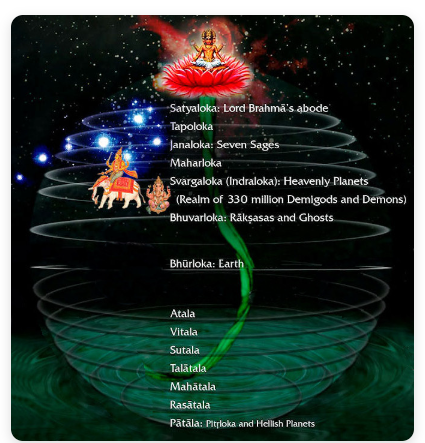
“In the battlefield, a king orkṣatriya,while fighting another king envious of him, is eligible for achieving the heavenly planets after death, as thebrāhmaṇasalso attain the heavenly planets by sacrificing animals in the sacrificial fire.” Therefore, killing on the battlefield on religious principles and killing animals in the sacrificial fire are not at all considered to be acts of violence, because everyone is benefited by the religious principles involved. The animal sacrificed gets a human life immediately without undergoing the gradual evolutionary process from one form to another, and thekṣatriyaskilled on the battlefield also attain the heavenly planets, as do thebrāhmaṇaswho attain them by offering sacrifice.
“In the battlefield, a king orkṣatriya,while fighting another king envious of him, is eligible for achieving the heavenly planets after death, as thebrāhmaṇasalso attain the heavenly planets by sacrificing animals in the sacrificial fire.” Therefore, killing on the battlefield on religious principles and killing animals in the sacrificial fire are not at all considered to be acts of violence, because everyone is benefited by the religious principles involved. The animal sacrificed gets a human life immediately without undergoing the gradual evolutionary process from one form to another, and thekṣatriyaskilled on the battlefield also attain the heavenly planets, as do thebrāhmaṇaswho attain them by offering sacrifice.
There are two kinds ofsva-dharmas,specific duties. As long as one is not liberated, one has to perform the duties of his particular body in accordance with religious principles in order to achieve liberation. When one is liberated, one’ssva-dharma– specific duty – becomes spiritual and is not in the material bodily concept. In the bodily conception of life there are specific duties for thebrāhmaṇasandkṣatriyasrespectively, and such duties are unavoidable.Sva-dharmais ordained by the Lord, and this will be clarified in the Fourth Chapter. On the bodily planesva-dharmais calledvarṇāśrama-dharma,or man’s steppingstone for spiritual understanding. Human civilization begins from the stage ofvarṇāśrama-dharma,or specific duties in terms of the specific modes of nature of the body obtained. Discharging one’s specific duty in any field of action in accordance with the orders of higher authorities serves to elevate one to a higher status of life.
There are two kinds ofsva-dharmas,specific duties. As long as one is not liberated, one has to perform the duties of his particular body in accordance with religious principles in order to achieve liberation. When one is liberated, one’ssva-dharma– specific duty – becomes spiritual and is not in the material bodily concept. In the bodily conception of life there are specific duties for thebrāhmaṇasandkṣatriyasrespectively, and such duties are unavoidable.Sva-dharmais ordained by the Lord, and this will be clarified in the Fourth Chapter. On the bodily planesva-dharmais calledvarṇāśrama-dharma,or man’s steppingstone for spiritual understanding. Human civilization begins from the stage ofvarṇāśrama-dharma,or specific duties in terms of the specific modes of nature of the body obtained. Discharging one’s specific duty in any field of action in accordance with the orders of higher authorities serves to elevate one to a higher status of life.
Out of the four orders of social administration, the second order, for the matter of good administration, is calledkṣatriya. Kṣatmeans hurt. One who gives protection from harm is calledkṣatriya(trāyate– to give protection). Thekṣatriyasare trained for killing in the forest. Akṣatriyawould go into the forest and challenge a tiger face to face and fight with the tiger with his sword. When the tiger was killed, it would be offered the royal order of cremation. This system has been followed even up to the present day by thekṣatriyakings of Jaipur state. Thekṣatriyasare specially trained for challenging and killing because religious violence is sometimes a necessary factor. Therefore,kṣatriyasare never meant for accepting directly the order ofsannyāsa,or renunciation. Nonviolence in politics may be a diplomacy, but it is never a factor or principle. In the religious law books it is stated:
Out of the four orders of social administration, the second order, for the matter of good administration, is calledkṣatriya. Kṣatmeans hurt. One who gives protection from harm is calledkṣatriya(trāyate– to give protection). Thekṣatriyasare trained for killing in the forest. Akṣatriyawould go into the forest and challenge a tiger face to face and fight with the tiger with his sword. When the tiger was killed, it would be offered the royal order of cremation. This system has been followed even up to the present day by thekṣatriyakings of Jaipur state. Thekṣatriyasare specially trained for challenging and killing because religious violence is sometimes a necessary factor. Therefore,kṣatriyasare never meant for accepting directly the order ofsannyāsa,or renunciation. Nonviolence in politics may be a diplomacy, but it is never a factor or principle. In the religious law books it is stated:
āhaveṣu mitho ’nyonyaṁjighāṁsanto mahī-kṣitaḥyuddhamānāḥ paraṁ śaktyāsvargaṁ yānty aparāṅ-mukhāḥ
yajñeṣu paśavo brahmanhanyante satataṁ dvijaiḥsaṁskṛtāḥ kila mantraiś cate ’pi svargam avāpnuvan
“In the battlefield, a king orkṣatriya,while fighting another king envious of him, is eligible for achieving the heavenly planets after death, as thebrāhmaṇasalso attain the heavenly planets by sacrificing animals in the sacrificial fire.” Therefore, killing on the battlefield on religious principles and killing animals in the sacrificial fire are not at all considered to be acts of violence, because everyone is benefited by the religious principles involved. The animal sacrificed gets a human life immediately without undergoing the gradual evolutionary process from one form to another, and thekṣatriyaskilled on the battlefield also attain the heavenly planets, as do thebrāhmaṇaswho attain them by offering sacrifice.
“In the battlefield, a king orkṣatriya,while fighting another king envious of him, is eligible for achieving the heavenly planets after death, as thebrāhmaṇasalso attain the heavenly planets by sacrificing animals in the sacrificial fire.” Therefore, killing on the battlefield on religious principles and killing animals in the sacrificial fire are not at all considered to be acts of violence, because everyone is benefited by the religious principles involved. The animal sacrificed gets a human life immediately without undergoing the gradual evolutionary process from one form to another, and thekṣatriyaskilled on the battlefield also attain the heavenly planets, as do thebrāhmaṇaswho attain them by offering sacrifice.
There are two kinds ofsva-dharmas,specific duties. As long as one is not liberated, one has to perform the duties of his particular body in accordance with religious principles in order to achieve liberation. When one is liberated, one’ssva-dharma– specific duty – becomes spiritual and is not in the material bodily concept. In the bodily conception of life there are specific duties for thebrāhmaṇasandkṣatriyasrespectively, and such duties are unavoidable.Sva-dharmais ordained by the Lord, and this will be clarified in the Fourth Chapter. On the bodily planesva-dharmais calledvarṇāśrama-dharma,or man’s steppingstone for spiritual understanding. Human civilization begins from the stage ofvarṇāśrama-dharma,or specific duties in terms of the specific modes of nature of the body obtained. Discharging one’s specific duty in any field of action in accordance with the orders of higher authorities serves to elevate one to a higher status of life.
There are two kinds ofsva-dharmas,specific duties. As long as one is not liberated, one has to perform the duties of his particular body in accordance with religious principles in order to achieve liberation. When one is liberated, one’ssva-dharma– specific duty – becomes spiritual and is not in the material bodily concept. In the bodily conception of life there are specific duties for thebrāhmaṇasandkṣatriyasrespectively, and such duties are unavoidable.Sva-dharmais ordained by the Lord, and this will be clarified in the Fourth Chapter. On the bodily planesva-dharmais calledvarṇāśrama-dharma,or man’s steppingstone for spiritual understanding. Human civilization begins from the stage ofvarṇāśrama-dharma,or specific duties in terms of the specific modes of nature of the body obtained. Discharging one’s specific duty in any field of action in accordance with the orders of higher authorities serves to elevate one to a higher status of life.