SB 10.10.13
Devanāgarī
असत: श्रीमदान्धस्य दारिद्रयं परमञ्जनम् । आत्मौपम्येन भूतानि दरिद्र: परमीक्षते ॥ १३ ॥
Text
asataḥ śrī-madāndhasya dāridryaṁ param añjanam ātmaupamyena bhūtāni daridraḥ param īkṣate
Synonyms
asataḥ—of such a foolish rascal;śrī-mada-andhasya—who is blinded by temporarily possessing riches and opulence;dāridryam—poverty;paramañjanam—the best ointment for the eyes, by which to see things as they are;ātma-aupamyena—with comparison to himself;bhūtāni—living beings;daridraḥ—a poverty-stricken man;param—perfectly;īkṣate—can see things as they are.
Translation
Atheistic fools and rascals who are very much proud of wealth fail to see things as they are. Therefore, returning them to poverty is the proper ointment for their eyes so they may see things as they are. At least a poverty-stricken man can realize how painful poverty is, and therefore he will not want others to be in a painful condition like his own.
Purport
brahmāṇḍa bhramite kona bhāgyavān jīva guru-kṛṣṇa-prasāde pāya bhakti-latā-bīja
(Cc. Madhya 19.151)
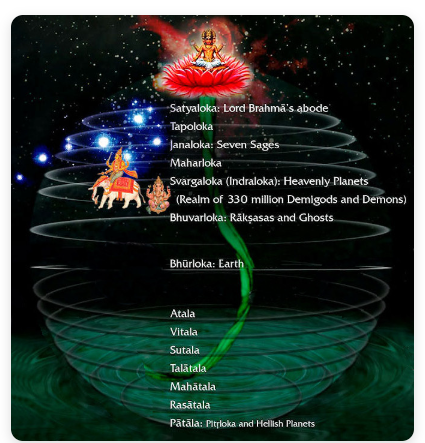
The living entities are promoted and degraded by the laws of nature, but if one is very, very fortunate, by association with saintly persons he gets the seed of devotional service, and his life becomes successful. Nārada Muni wanted to bring Nalakūvara and Maṇigrīva to the platform of devotional service through poverty, and thus he cursed them. Such is the mercy of a Vaiṣṇava. Unless one is brought to the Vaiṣṇava platform, one cannot be a good man. Harāv abhaktasya kuto mahad-guṇāḥ ( Bhāg. 5.18.12 ). An avaiṣṇava never becomes a good man, however severely he is punished.