SB 6.16.58
Devanāgarī
लब्ध्वेह मानुषीं योनिं ज्ञानविज्ञानसम्भवाम् । आत्मानं यो न बुद्ध्येत न क्वचित्क्षेममाप्नुयात् ॥ ५८ ॥
Text
labdhveha mānuṣīṁ yoniṁ jñāna-vijñāna-sambhavām ātmānaṁ yo na buddhyeta na kvacit kṣemam āpnuyāt
Synonyms
labdhvā—achieving;iha—in this material world (especially in this pious land of Bhārata-varṣa, India);mānuṣīm—the human;yonim—species;jñāna—of knowledge through Vedic scriptures;vijñāna—and practical application of that knowledge in life;sambhavām—wherein there is a possibility;ātmānam—one’s real identity;yaḥ—anyone who;na—not;buddhyeta—understands;na—never;kvacit—at any time;kṣemam—success in life;āpnuyāt—can obtain.
Translation
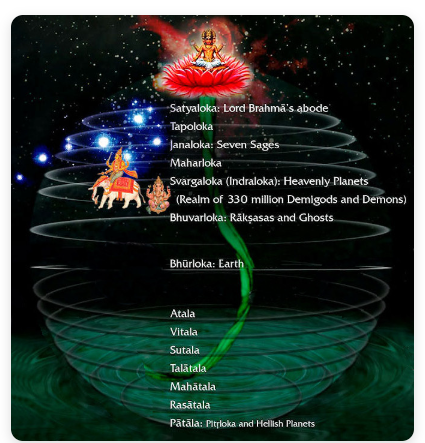
A human being can attain perfection in life by self-realization through the Vedic literature and its practical application. This is possible especially for a human being born in India, the land of piety. A man who obtains birth in such a convenient position but does not understand his self is unable to achieve the highest perfection, even if he is exalted to life in the higher planetary systems.
Purport
bhārata-bhūmite haila manuṣya-janma yāra janma sārthaka kari’ kara para-upakāra
Everyone born in India, especially as a human being, can achieve the supreme success through the Vedic literature and its practical application in life. When one is perfect, he can render a service for the self-realization of the entire human society. This is the best way to perform humanitarian work.