SB 8.22.25
Devanāgarī
यदा कदाचिज्जीवात्मा संसरन् निजकर्मभि: । नानायोनिष्वनीशोऽयं पौरुषीं गतिमाव्रजेत् ॥ २५ ॥
Text
yadā kadācij jīvātmā saṁsaran nija-karmabhiḥ nānā-yoniṣv anīśo ’yaṁ pauruṣīṁ gatim āvrajet
Synonyms
yadā—when;kadācit—sometimes;jīva-ātmā—the living entity;saṁsaran—rotating in the cycle of birth and death;nija-karmabhiḥ—because of his own fruitive activities;nānā-yoniṣu—in different species of life;anīśaḥ—not independent (completely under the control of material nature);ayam—this living entity;pauruṣīmgatim—the situation of being human;āvrajet—wants to obtain.
Translation
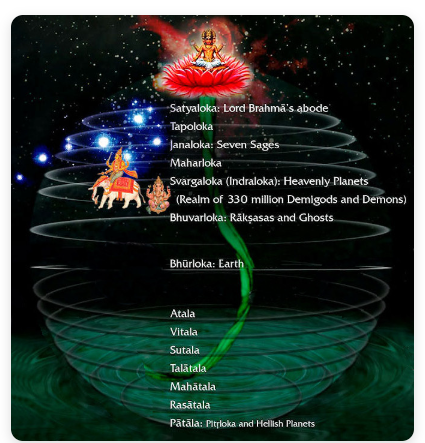
While rotating in the cycle of birth and death again and again in different species because of his own fruitive activities, the dependent living entity, by good fortune, may happen to become a human being. This human birth is very rarely obtained.
Purport
puruṣaḥ prakṛti-stho hi bhuṅkte prakṛtijān guṇān kāraṇaṁ guṇa-saṅgo ’sya sad-asad-yoni-janmasu
“The living entity in material nature follows the ways of life, enjoying the three modes of nature. This is due to his association with that material nature. Thus he meets with good and evil amongst various species.” ( Bg. 13.22 ) After thus rotating through many, many forms of life in the cycle of birth and death, the living being gets a chance for a human form. Therefore every human being, especially one belonging to a civilized nation or culture, must be extremely responsible in his activities. He should not risk degradation in the next life. Because the body will change ( tathā dehāntara-prāptir ), we should be extremely careful. To see to the proper use of life is the purpose of Kṛṣṇa consciousness. The foolish living entity declares freedom from all control, but factually he is not free; he is fully under the control of material nature. He must therefore be most careful and responsible in the activities of his life.