SB 11.5.14
Devanāgarī
ये त्वनेवंविदोऽसन्त: स्तब्धा: सदभिमानिन: । पशून् द्रुह्यन्ति विश्रब्धा: प्रेत्य खादन्ति ते च तान् ॥ १४ ॥
Text
ye tv anevaṁ-vido ’santaḥ stabdhāḥ sad-abhimāninaḥ paśūn druhyanti viśrabdhāḥ pretya khādanti te ca tān
Synonyms
ye—those who;tu—but;anevam-vidaḥ—not knowing these facts;asantaḥ—very impious;stabdhāḥ—presumptuous;sat-abhimāninaḥ—considering themselves saintly;paśūn—animals;druhyanti—they harm;viśrabdhāḥ—being innocently trusted;pretya—after leaving this present body;khādanti—they eat;te—those animals;ca—and;tān—them.
Translation
Those sinful persons who are ignorant of actual religious principles, yet consider themselves to be completely pious, without compunction commit violence against innocent animals who are fully trusting in them. In their next lives, such sinful persons will be eaten by the same creatures they have killed in this world.
Purport
māṁ sa bhakṣayitāmutra yasya māṁsam ihādmy aham etan māṁsasya māṁsatvaṁ pravadanti manīṣiṇaḥ
“‘That creature whose flesh I am eating here and now will consume me in the next life.’ Thus meat is called māṁsa, as described by learned authorities.” In Śrīmad-Bhāgavatam this grisly fate of animal killers is described by Nārada Muni to King Prācīnabarhi, who was excessively killing animals in so-called sacrifices.
bho bhoḥ prajāpate rājan paśūn paśya tvayādhvare saṁjñāpitān jīva-saṅghān nirghṛṇena sahasraśaḥ
ete tvāṁ sampratīkṣante smaranto vaiśasaṁ tava samparetam ayaḥ-kūṭaiś chindanty utthita-manyavaḥ
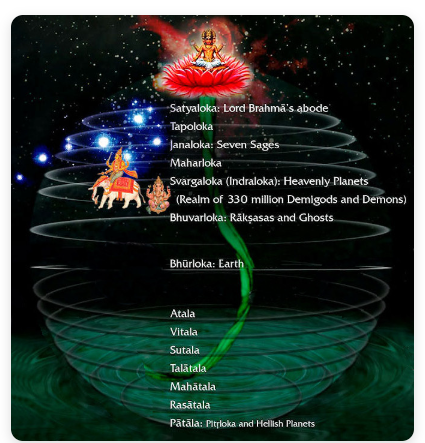
“O ruler of the citizens, my dear King, please see in the sky those animals which you have sacrificed, without compassion and without mercy, in the sacrificial arena. All these animals are awaiting your death so that they can avenge the injuries you have inflicted upon them. After you die, they will angrily pierce your body with iron horns.” ( Bhāg. 4.25.7-8) Such punishment of animal killers may take place under the jurisdiction of Yamarāja on the planet of the lord of death. In other words, one who kills an animal or who eats meat undoubtedly acquires a debt to the living entity who has contributed his body for the satisfaction of the meat-eater. The meat-eater must pay his debt by contributing his own body to be consumed in the next life. Such payment of one’s debt by offering one’s own body to be eaten is confirmed in the Vedic literature.