SB 3.4.28
Devanāgarī
राजोवाच निधनमुपगतेषु वृष्णिभोजे- ष्वधिरथयूथपयूथपेषु मुख्य: । स तु कथमवशिष्ट उद्धवो यद्धरि- रपि तत्यज आकृतिं त्र्यधीश: ॥ २८ ॥
Text
rājovāca nidhanam upagateṣu vṛṣṇi-bhojeṣv adhiratha-yūthapa-yūthapeṣu mukhyaḥ sa tu katham avaśiṣṭa uddhavo yad dharir api tatyaja ākṛtiṁ tryadhīśaḥ
Synonyms
rājāuvāca—the King inquired;nidhanam—destruction;upagateṣu—having overtaken;vṛṣṇi—of the Vṛṣṇi dynasty;bhojeṣu—the Bhoja dynasty;adhiratha—great commander;yūtha-pa—commander in chief;yūtha-peṣu—amongst them;mukhyaḥ—prominent;saḥ—he;tu—only;katham—how;avaśiṣṭaḥ—remained;uddhavaḥ—Uddhava;yat—whereas;hariḥ—the Personality of Godhead;api—also;tatyaje—finished;ākṛtim—complete pastimes;tri-adhīśaḥ—the Lord of the three worlds.
Translation
The King inquired: At the end of the pastimes of the Lord of the three worlds, Śrī Kṛṣṇa, and after the disappearance of the members of the Vṛṣṇi and Bhoja dynasties, who were the best of the great commanders, why did Uddhava alone remain?
Purport
Śrīla Viśvanātha Cakravartī Ṭhākura elucidates the meaning of ākṛtim as pastimes. Ā means complete, and kṛtim means transcendental pastimes. Since the Lord is identical with His transcendental body, there is no question of His changing or quitting His body. To act in accordance with the rules and customs of the material world, the Lord seems to take His birth or leave His body, but the pure devotees of the Lord know well the actual fact. It is necessary, therefore, for the serious students of Śrīmad-Bhāgavatam to follow the notes and comments of the great ācāryas like Jīva Gosvāmī and Viśvanātha Cakravartī. To others, who are not devotees of the Lord, the comments and explanations of such ācāryas may appear to be grammatical jugglery, but to the students who are in the line of disciplic succession, the explanations of the great ācāryas are quite fit.
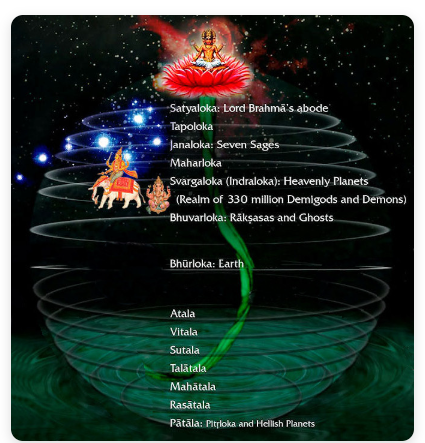
The word upagateṣu is also significant. All the members of Vṛṣṇi and Bhoja directly reached the abode of the Lord. Other devotees do not reach the abode of the Lord directly, but the pure associates of the Lord have no attraction for the opulence of any planets of the material world. Sometimes, due to inquisitiveness, devotees who are to be promoted to the abode of the Lord have some attraction for the opulence of the higher material planets above the earth, and thus they desire to see them while going up to the perfection. But the Vṛṣṇis and Bhojas were directly dispatched because they had no attraction for material planets. Śrīla Viśvanātha Cakravartī Ṭhākura also suggests that according to the Amara-kośa dictionary, ākṛti also means “signal.” Lord Kṛṣṇa ordered Uddhava by signal to go to Badarikāśrama after His departure, and Uddhava, as a pure devotee of the Lord, carried out the order more faithfully than going back to Godhead, or the abode of the Lord. That was the cause of his remaining alone even after the departure of the Lord from the face of the earth.