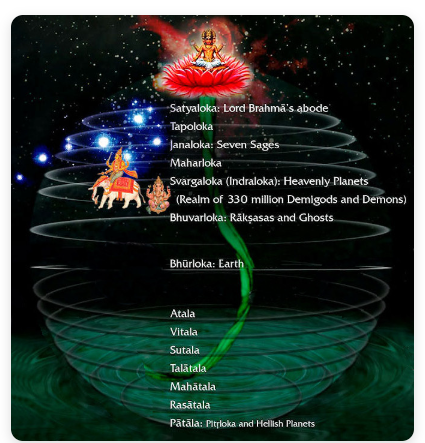
SB 5.11.4
Devanāgarī
यावन्मनो रजसा पूरुषस्यसत्त्वेन वा तमसा वानुरुद्धम् । चेतोभिराकूतिभिरातनोतिनिरङ्कुशं कुशलं चेतरं वा ॥ ४ ॥
Text
yāvan mano rajasā pūruṣasya sattvena vā tamasā vānuruddham cetobhir ākūtibhir ātanoti niraṅkuśaṁ kuśalaṁ cetaraṁ vā
Synonyms
yāvat—as long as;manaḥ—the mind;rajasā—by the mode of passion;pūruṣasya—of the living entity;sattvena—by the mode of goodness;vā—or;tamasā—by the mode of darkness;vā—or;anuruddham—controlled;cetobhiḥ—by the knowledge-acquiring senses;ākūtibhiḥ—by the senses of action;ātanoti—expands;niraṅkuśam—independent like an elephant not controlled by a trident;kuśalam—auspiciousness;ca—also;itaram—other than auspiciousness, sinful activities;vā—or.
Translation
As long as the mind of the living entity is contaminated by the three modes of material nature (goodness, passion and ignorance), his mind is exactly like an independent, uncontrolled elephant. It simply expands its jurisdiction of pious and impious activities by using the senses. The result is that the living entity remains in the material world to enjoy and suffer pleasures and pains due to material activity.