SB 10.47.15
Devanāgarī
दिवि भुवि च रसायां का: स्त्रियस्तद्दुरापा: कपटरुचिरहासभ्रूविजृम्भस्य या: स्यु: । चरणरज उपास्ते यस्य भूतिर्वयं का अपि च कृपणपक्षे ह्युत्तम:श्लोकशब्द: ॥ १५ ॥
Text
divi bhuvi ca rasāyāṁ kāḥ striyas tad-durāpāḥ kapaṭa-rucira-hāsa-bhrū-vijṛmbhasya yāḥ syuḥ caraṇa-raja upāste yasya bhūtir vayaṁ kā api ca kṛpaṇa-pakṣe hy uttamaḥ-śloka-śabdaḥ
Synonyms
divi—in the heavenly region;bhuvi—on the earth;ca—and;rasāyām—in the subterranean sphere;kāḥ—what;striyaḥ—women;tat—by Him;durāpāḥ—unobtainable;kapaṭa—deceptive;rucira—charming;hāsa—with smiles;bhrū—of whose eyebrows;vijṛmbhasya—the arching;yāḥ—who;syuḥ—become;caraṇa—of the feet;rajaḥ—the dust;upāste—worships;yasya—whose;bhūtiḥ—the goddess of fortune, wife of Lord Nārāyaṇa;vayam—we;kā—who;apica—nevertheless;kṛpaṇa-pakṣe—for those who are wretched;hi—indeed;uttamaḥ-śloka—the Supreme Lord, who is glorified by the most sublime prayers;śabdaḥ—the name.
Translation
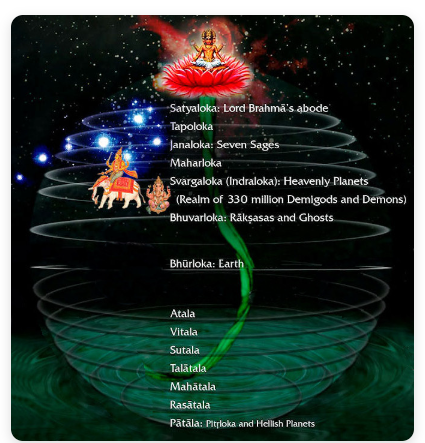
In heaven, on earth or in the subterranean sphere, what women are unavailable to Him? He simply arches His eyebrows and smiles with deceptive charm, and they all become His. The supreme goddess herself worships the dust of His feet, so what is our position in comparison? But at least those who are wretched can chant His name, Uttamaḥśloka.
Purport
Śrīla Viśvanātha Cakravartī further points out that in this verse, Śrīmatī Rādhārāṇī expresses Her spite born of pride, accuses Kṛṣṇa of being a cheater and finds fault with His behavior. Thus this verse contains speech known as ujjalpa, as described in the following verse of the Ujjvala-nīlamaṇi (14.188):
hareḥ kuhakatākhyānaṁ garva-garbhitayerṣyayā sāsūyaś ca tad-ākṣepo dhīrair ujjalpa īryate
“The declaration of Lord Hari’s duplicitous nature in a mood of spite born of pride, together with jealously spoken insults directed against Him, has been termed ujjalpa by the wise.”